Csilla Kisfaludi
Tech support by day, movie addict by night, crazy cat lady 24/7.
View all authors

Progressive Delivery: Strategies, Examples & Best Practices

· 15 min read

David Herbert
Turning deep tech into stories developers actually want to read.
Csilla Kisfaludi
Tech support by day, movie addict by night, crazy cat lady 24/7.

Every software release carries some risk. A feature might work perfectly in staging but behave differently when thousands of people start using it.

Progressive delivery helps reduce that risk by introducing changes gradually instead of releasing them to everyone at once. Teams can monitor how a feature performs, collect feedback, and decide when to expand a rollout or roll it back.

In this guide, we'll compare the main progressive delivery strategies, explain how feature flags support gradual releases, and walk through a practical example. We'll also cover what to monitor, how to decide when it's safe to expand a rollout, and what can go wrong along the way.
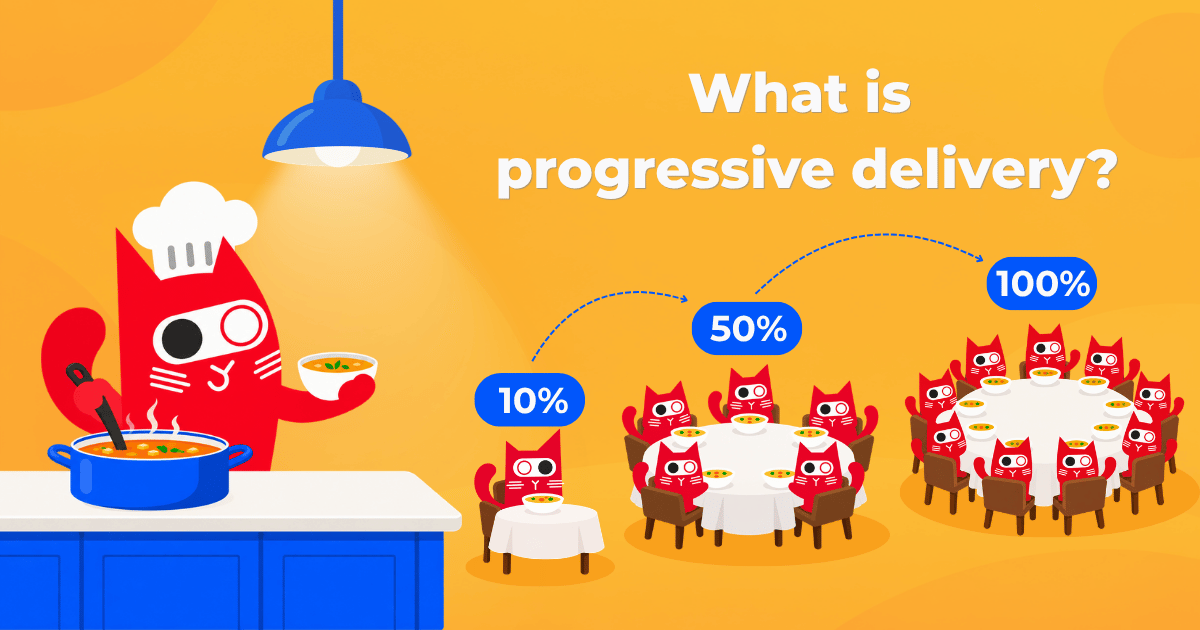
A chef cat serving a new dish to 10%, then 50%, then 100% of its guests

EU Data Sovereignty: What It Means for SaaS Companies

· 10 min read
Csilla Kisfaludi
Tech support by day, movie addict by night, crazy cat lady 24/7.

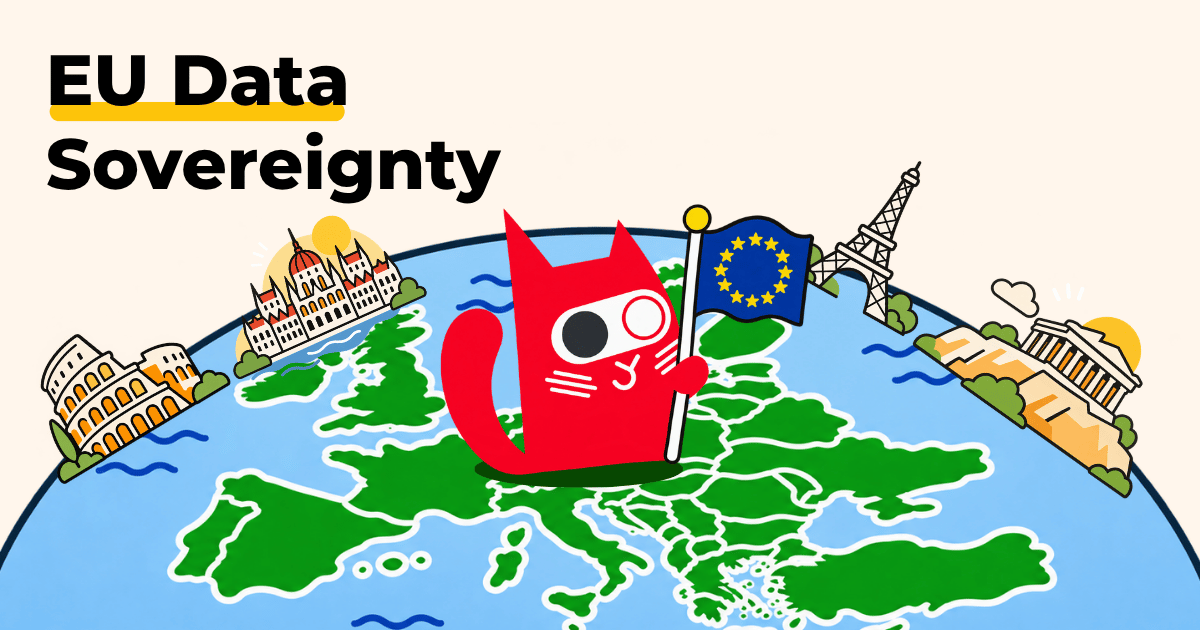
Your application is hosted in the EU. But does that mean all your data stays there?

Not necessarily. The APIs, CDNs, and third-party services your application relies on may process data outside Europe, even when your main infrastructure is based in the EU.

Let's look at what EU data sovereignty means, why it matters for SaaS companies, and what you should check when choosing a provider.

EU Data Sovereignty: What It Means for SaaS Companies cover

Introducing Approval Flow & Scheduled Changes for Feature Flags

· 8 min read
Csilla Kisfaludi
Tech support by day, movie addict by night, crazy cat lady 24/7.

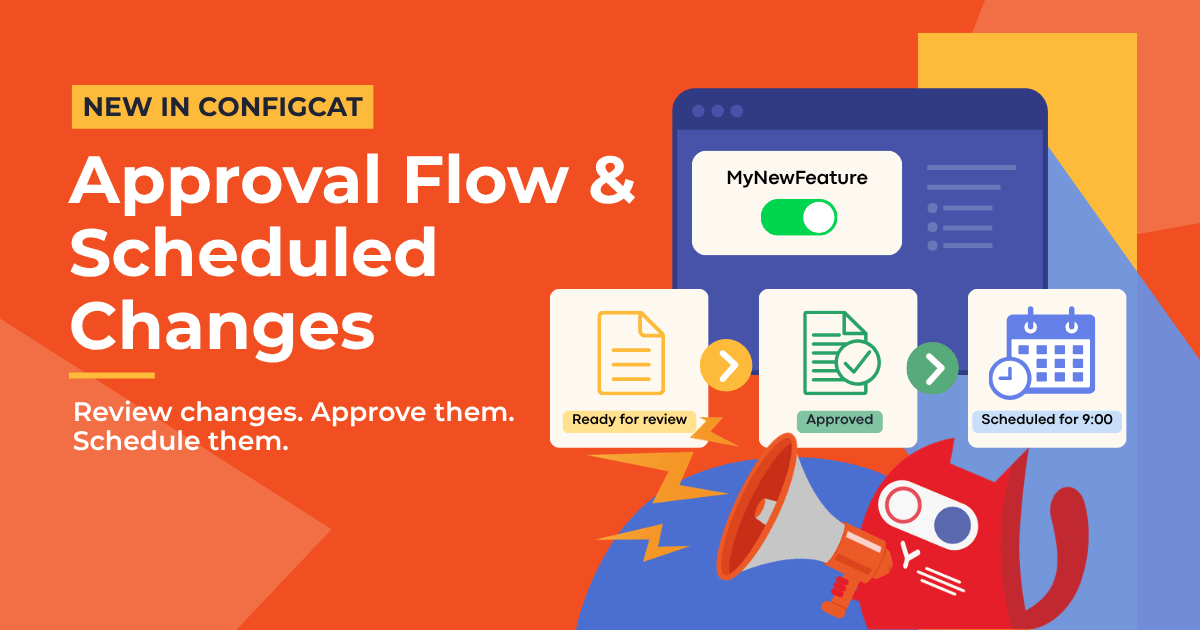
Feature flags make it easy to change application behavior quickly. But some changes (especially in Production) need an extra pair of eyes or need to happen at exactly the right time. To make both of these situations easier to manage, we’re introducing two of the most requested ConfigCat features: Approval Flow and Scheduled Changes.

With Approval Flow & Scheduled Changes, you can now propose feature flag changes for review, require approval before they reach an environment, and schedule changes to go live automatically at a specific time.

Together, they make it easier to review important changes and release them at the right time without slowing down everyday feature flag management.

Approval Flow and Scheduled Changes for feature flags

A/B Testing with Feature Flags: How It Works and When to Use It

· 16 min read
Ibrahem Abukhalil
Everything is understandable.
Csilla Kisfaludi
Tech support by day, movie addict by night, crazy cat lady 24/7.

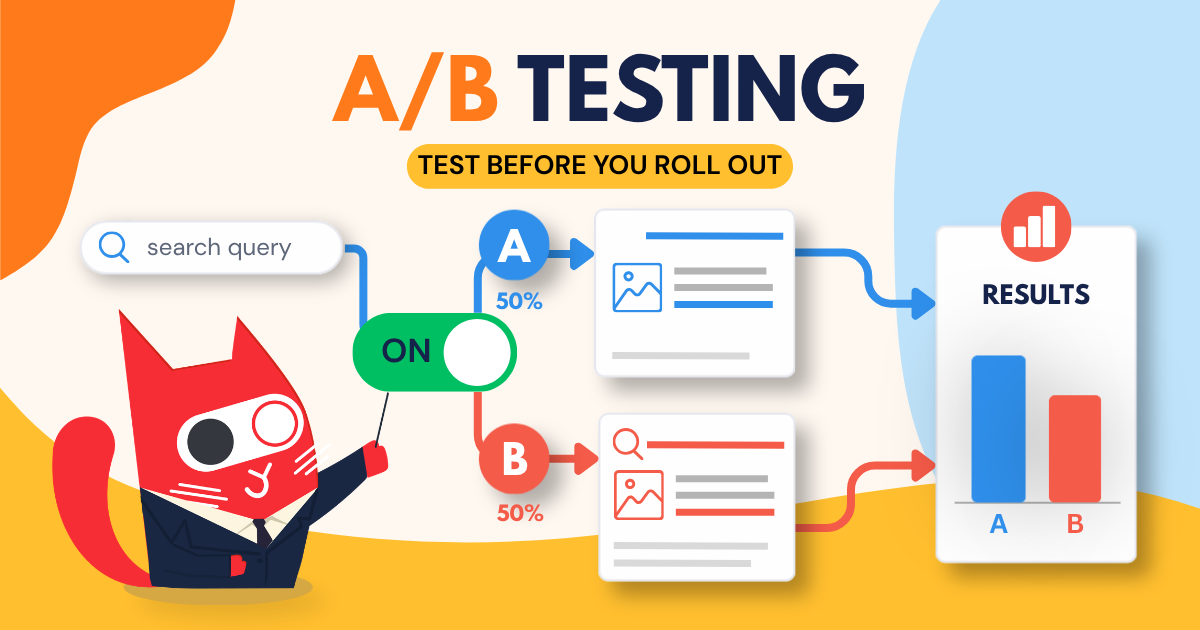
A feature can work perfectly and still make the product worse. Imagine your team builds a new search-ranking algorithm that performs well in internal tests. Instead of releasing it to everyone, you can use a feature flag to show it to a percentage of users and compare how they behave.

Feature flags control who receives each variation, while your analytics platform measures the outcome. Together, they make it possible to test meaningful product changes, limit risk, and roll out the winning version without another deployment.

A/B Testing with Feature Flags

Top LaunchDarkly Alternatives in 2026: Best Feature Flag Tools Compared

· 12 min read
Csilla Kisfaludi
Tech support by day, movie addict by night, crazy cat lady 24/7.

Feature flags save lives (okay, at least your weekends). They let you release features safely, test ideas with real users, and roll back when things break.

LaunchDarkly is the biggest name in the game, but it's not always the best fit. Maybe you need simple pricing, zero data collection, or an open-source option you can self-host. The good news: there are amazing LaunchDarkly alternatives out there.

In this guide, we compare some of the best LaunchDarkly alternatives in 2026, including ConfigCat, Flagsmith, Harness, Unleash, PostHog, Statsig, GrowthBook, and DevCycle.

Top eight LaunchDarkly alternatives

Feature Flag Ownership: How Product and Engineering Should Share Control

· 14 min read
Csilla Kisfaludi
Tech support by day, movie addict by night, crazy cat lady 24/7.

Feature flags are one of those tools everyone loves… until it’s time to decide who actually controls them.

Should Engineering keep them because they built the feature? Should Product take over because they’re responsible for launches and customers? Or should both teams share ownership, set some clear rules, and avoid turning every rollout into a small internal debate?

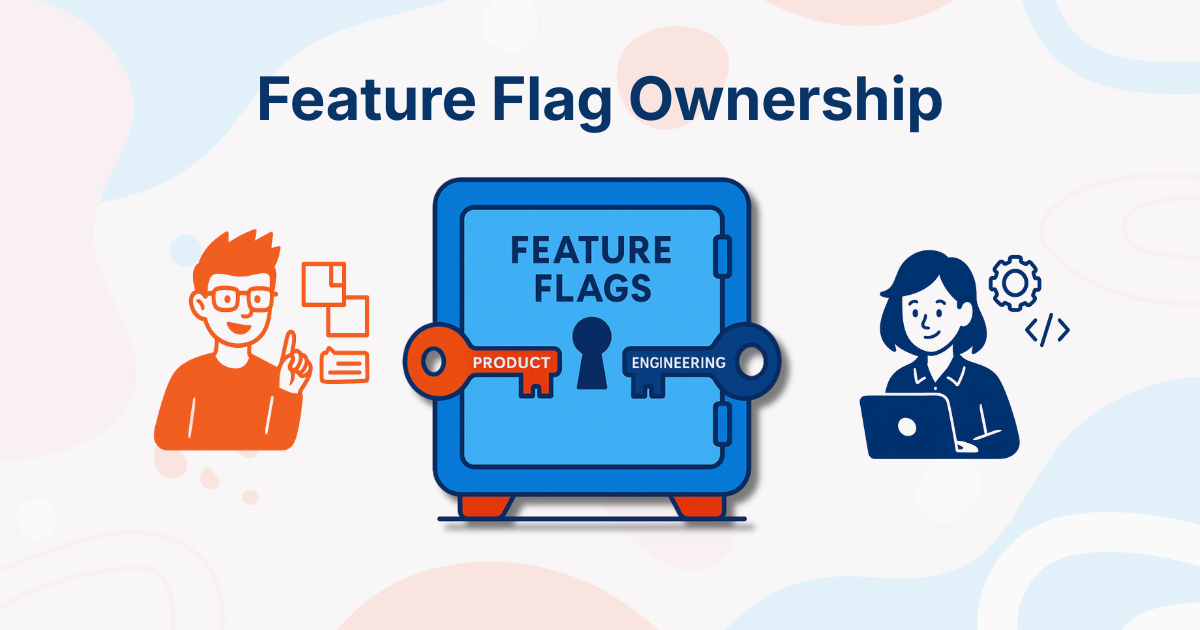
The honest answer is: both Product and Engineering should own feature flags, but not in the same way.

Engineering should own the technical side: implementation, safe defaults, stability, and rollback. Product should own the rollout side: launch timing, user targeting, customer exposure, and experiments.

That sounds simple enough. But in real life, this is where things often get messy. So let’s break it down.

Feature flag ownership cover

Feature Flags Explained: How They Work, Why They Matter

· 21 min read
Csilla Kisfaludi
Tech support by day, movie addict by night, crazy cat lady 24/7.

You’ve probably heard the term feature flag, maybe in a pull request review, a deployment postmortem, or a job description. The concept sounds simple: turn features on and off without redeploying code. But once you start working with them, you realize there’s a lot more to it than a boolean in a config file. They fundamentally change how you ship software.

This guide explains what feature flags actually are, how they work under the hood, when to use them, when not to use them, how to test them properly, how to manage them across teams, and how to avoid the organizational problems that turn a helpful tool into a maintenance burden.

Feature flags explained cover

Feature Flag Best Practices: 7 Common Mistakes to Avoid

· 12 min read
Marko Benjak
It works on my machine.
Csilla Kisfaludi
Tech support by day, movie addict by night, crazy cat lady 24/7.

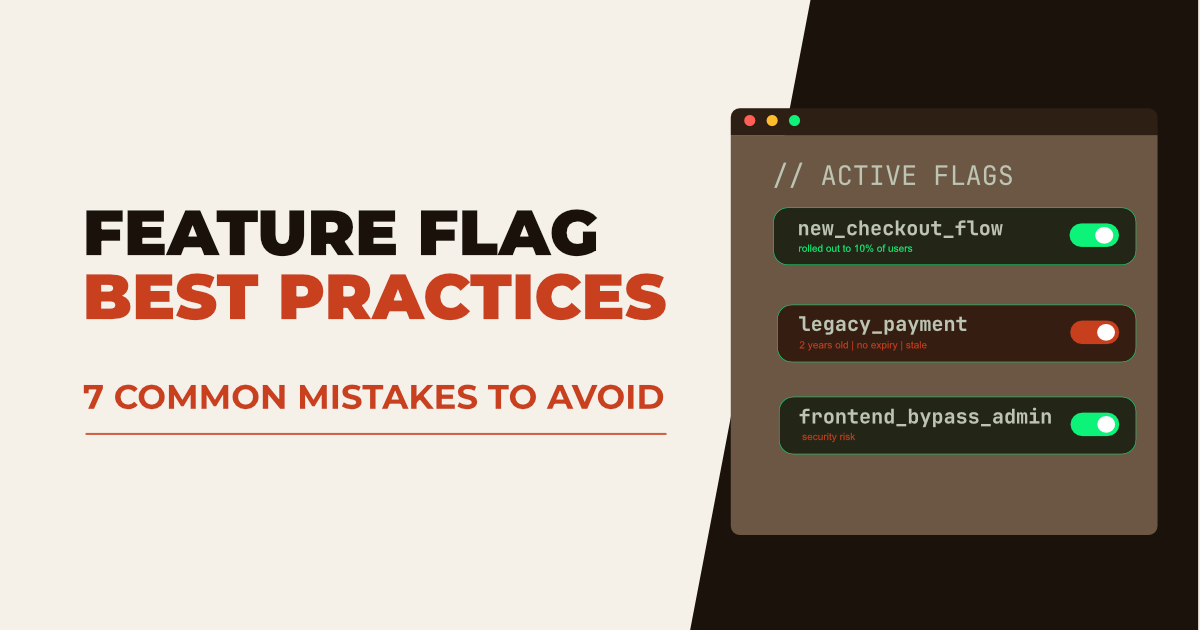
Feature flags (also called feature toggles) let development teams release features safely without redeploying code. They power gradual rollouts, A/B testing, and fast rollbacks when things go wrong.

But as systems grow, feature flags often become a source of hidden complexity. Flags pile up, naming breaks down, and unclear ownership leads to risky changes in production. What starts as a simple toggle system can quickly turn into long-term technical debt.

This guide walks through seven common feature flag mistakes and the best practices to avoid them, so your system stays clean, predictable, and safe to work with.

Feature Flag Best Practices - Top Mistakes to Avoid

Canary Releases with Feature Flags: How to Roll Out from 1% to 100%

· 11 min read
David Herbert
Turning deep tech into stories developers actually want to read.
Csilla Kisfaludi
Tech support by day, movie addict by night, crazy cat lady 24/7.

When shipping new features, releasing them to all users at once can be risky. Even small bugs can affect thousands of users immediately. That's why modern teams rely on canary releases and feature flags to roll out changes gradually, monitor real-world performance, and reduce the risk of failure.

In this guide, you'll learn:

  • What a canary release is
  • How it works with feature flags
  • A step-by-step rollout strategy using ConfigCat
  • Best practices and common mistakes to avoid
Canary release cover cover

Feature Flag Variations: Structured Values for Multivariate and JSON Workflows

· 4 min read
Csilla Kisfaludi
Tech support by day, movie addict by night, crazy cat lady 24/7.

If you’ve ever wished your feature flag values worked more like enums, this update is for you.

Over the past years, we kept hearing the same request in different forms:

  • “Can we have enum-like values for feature flags?”
  • “Can we avoid people mistyping values?”
  • “Can we define JSON values once and just select it?”
  • “Can we separate flag definitions from rollouts?”

This usually came up when teams started using multivariate feature flags or working with more complex JSON feature flags.

Free-form values are flexible. But when feature flags become operational tools, toggled by Customer Success, Sustainment teams, or junior teammates, flexibility without guardrails becomes a risk.

So we built Predefined variations.

ConfigCat Predefined Variations cover image