16 posts tagged with "A/B testing"

View All Tags

Feature Flag User Targeting: How It Works in ConfigCat

· 14 min read
Jan Sipos
One good test is worth a thousand expert opinions.
Zayyad Muhammad Sani
You live, you learn.

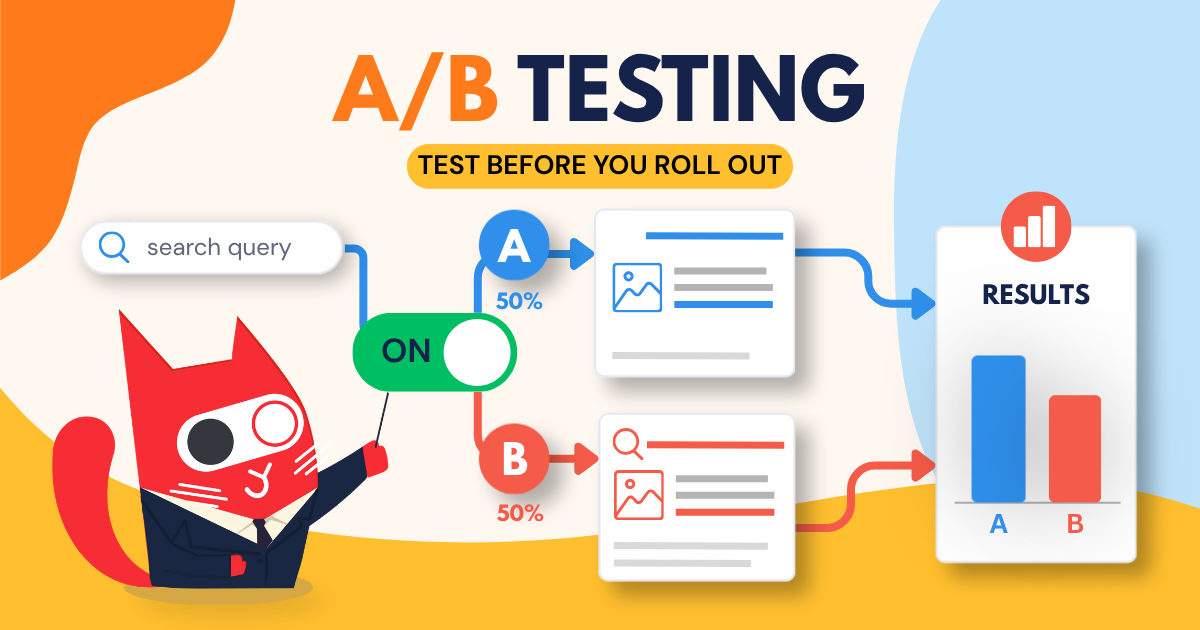
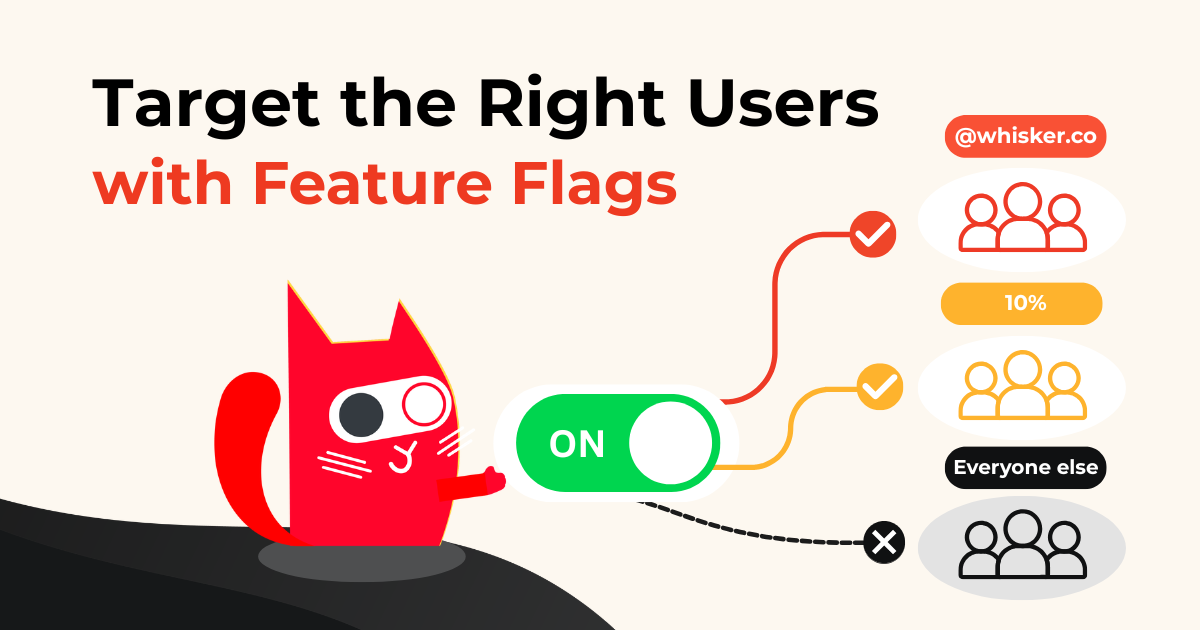
Would you like to catch bugs before your users do? If your answer is yes, then learning how to implement user targeting in your next feature release is essential. The core idea behind user targeting is to control who gets a new feature or experience.

In situations where you need to test a new feature with a smaller audience first, user targeting helps you learn from real users without putting the full release at risk.

Coming up, we'll discuss two ways to implement user targeting using ConfigCat: deterministic targeting, where you hand-pick exactly who gets the feature by name, email, company, or any other attribute you know about your users, and percentage targeting, where you define percentage groups and let users land consistently in the same experience every time.

Feature Flag User Targeting: How It Works in ConfigCat

Feature Flag Ownership: How Product and Engineering Should Share Control

· 14 min read
Csilla Kisfaludi
Tech support by day, movie addict by night, crazy cat lady 24/7.

Feature flags are one of those tools everyone loves… until it’s time to decide who actually controls them.

Should Engineering keep them because they built the feature? Should Product take over because they’re responsible for launches and customers? Or should both teams share ownership, set some clear rules, and avoid turning every rollout into a small internal debate?

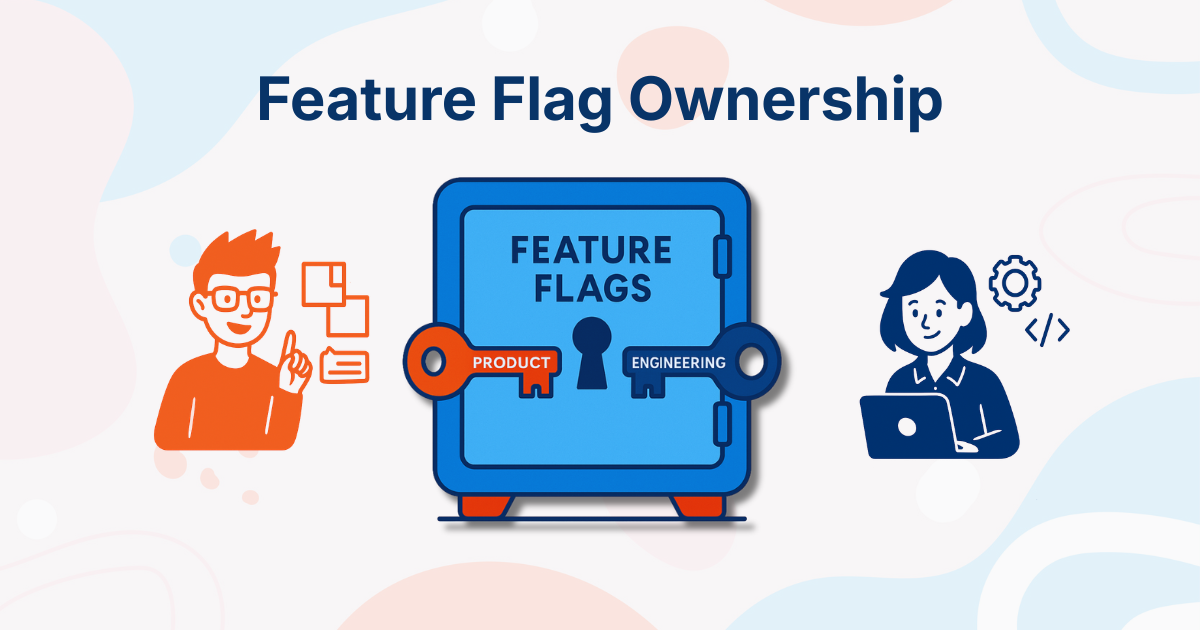
The honest answer is: both Product and Engineering should own feature flags, but not in the same way.

Engineering should own the technical side: implementation, safe defaults, stability, and rollback. Product should own the rollout side: launch timing, user targeting, customer exposure, and experiments.

That sounds simple enough. But in real life, this is where things often get messy. So let’s break it down.

Feature flag ownership cover

Feature Flags Explained: How They Work, Why They Matter

· 21 min read
Csilla Kisfaludi
Tech support by day, movie addict by night, crazy cat lady 24/7.

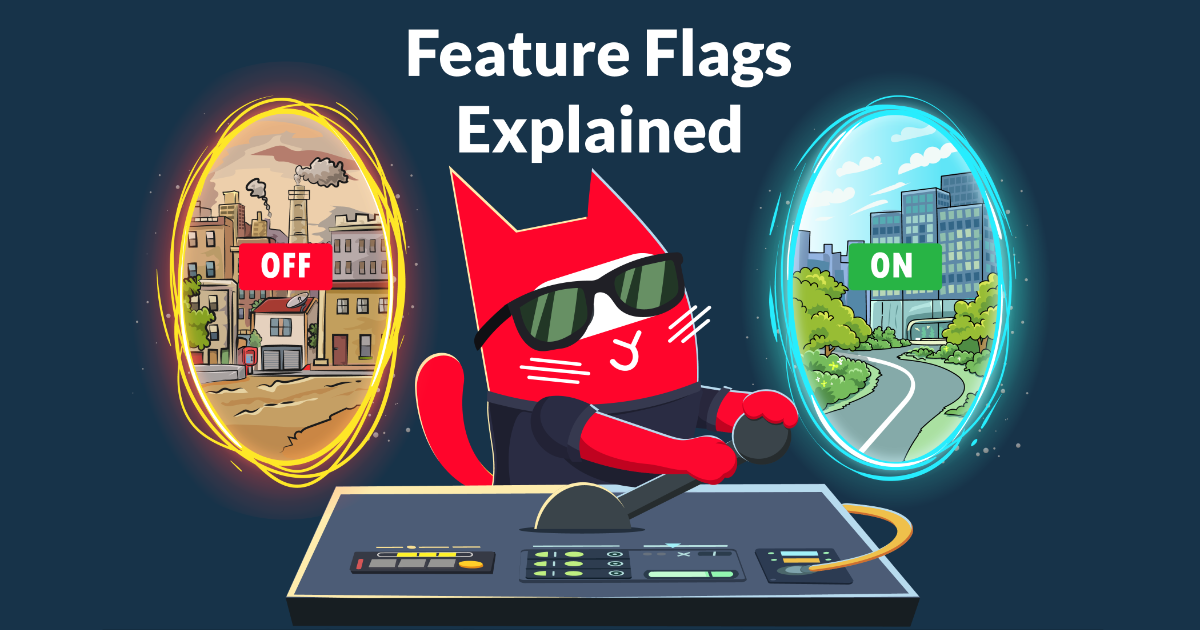
You’ve probably heard the term feature flag, maybe in a pull request review, a deployment postmortem, or a job description. The concept sounds simple: turn features on and off without redeploying code. But once you start working with them, you realize there’s a lot more to it than a boolean in a config file. They fundamentally change how you ship software.

This guide explains what feature flags actually are, how they work under the hood, when to use them, when not to use them, how to test them properly, how to manage them across teams, and how to avoid the organizational problems that turn a helpful tool into a maintenance burden.

Feature flags explained cover

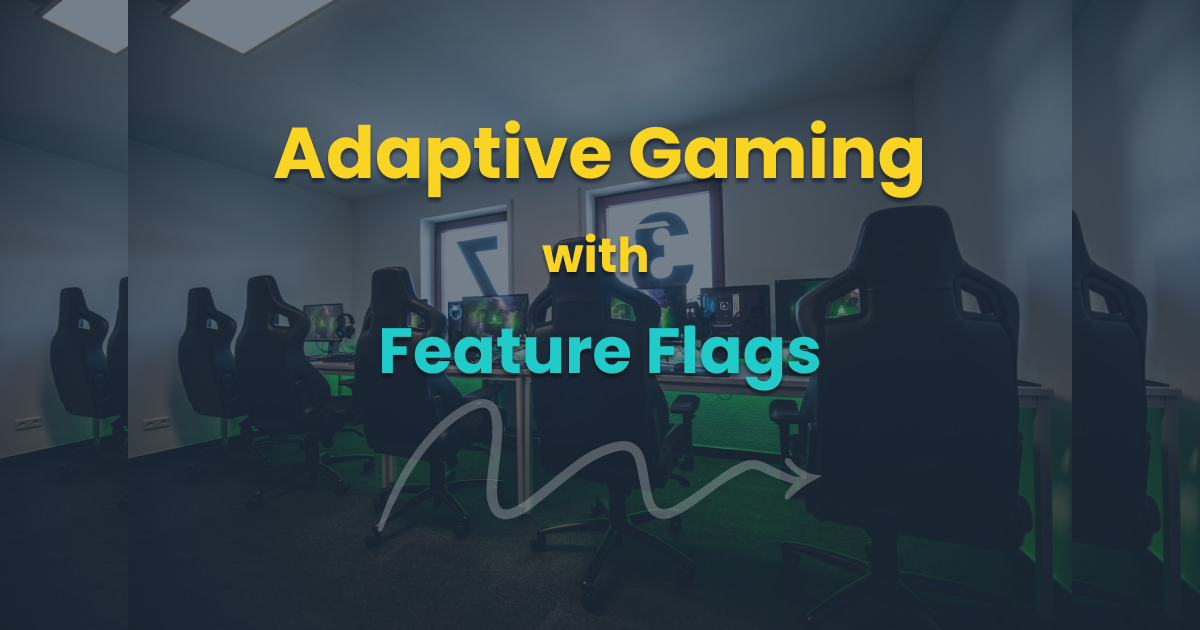
Level Up Your Game - How Feature Flags Create Dynamic Player Experiences

· 5 min read
Emil Kovačević
Code hard, debug harder.

As the gaming industry continues to evolve, driven by technological advancement and an ever-growing demand for more immersive, engaging experiences, players no longer settle for static and predictable game worlds—they crave dynamic environments that respond and adapt to their actions in real-time.

This shift toward adaptive gaming revolutionizes development techniques, enabling developers to craft personalized gameplay as unique as the player behind the controller. At the heart of this transformation lies a powerful tool: feature flags.

Adaptive gaming with feature flags cover

Software Development Lifecycle and Type I vs. Type II Errors

· 9 min read

Building and maintaining complex software goes beyond writing code and debugging. To ensure the success of large, complex software projects, developers need clear-cut processes from ideation through to delivery and maintenance. A software development lifecycle (SDLC) offers that. But what exactly is a software development lifecycle? How does it work? And why is it necessary? This article answers these questions and more.

Software Development Lifecycle cover

Using Feature Flags for Experimentation and Growth Hacking

· 7 min read
David Herbert
Turning deep tech into stories developers actually want to read.

Experimentation, at its core, is about navigating through the unknown, testing new ideas, and iterating based on feedback and results. It's a practice that could be applied to the business world, where hypotheses are formed, tested, validated, or refuted. This approach is crucial in an environment where customer preferences and market dynamics constantly shift rapidly.

Feature flags for experimentation and growth hacking cover

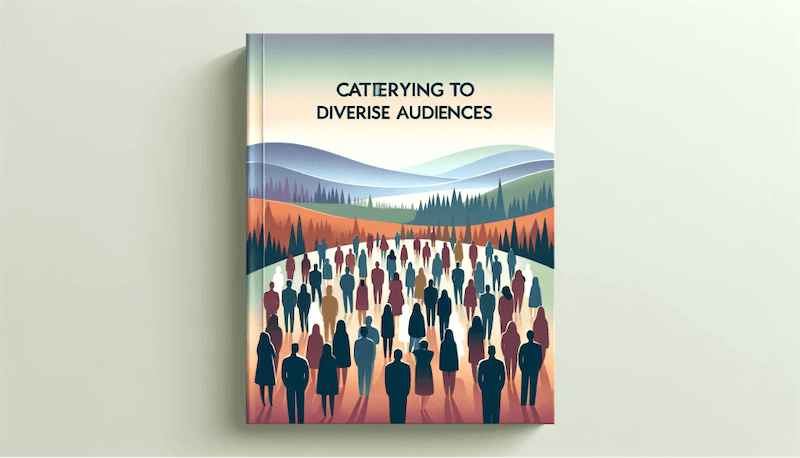
Global Feature Management - Catering to Diverse Audiences

· 9 min read
David Herbert
Turning deep tech into stories developers actually want to read.

In the current era of digital globalization, the ambition to launch software on a global scale is more than a mere aspiration; it's a necessity for businesses seeking to stay competitive and relevant. Imagine a world where your software reaches every corner of the globe, where your application speaks to users in the bustling streets of Tokyo, the vibrant markets of Mumbai, the sleek offices of New York, and the cozy cafes of Paris.

This is the dream of global software deployment, a software product that transcends borders, reaching a global audience. However, the path to achieving this global reach is fraught with obstacles that test the mettle of even the most seasoned developers and business strategists. It's a dream that brings with it a complex maze of challenges and opportunities.

Understanding and catering to diverse user groups is not just about translating content but about truly grasping the varied needs, preferences, and cultural nuances. A one-size-fits-all approach can lead to a product that fits none perfectly. This introduces the need for a sophisticated feature management strategy that respects and addresses the intricacies of global markets.

Understanding regional preferences

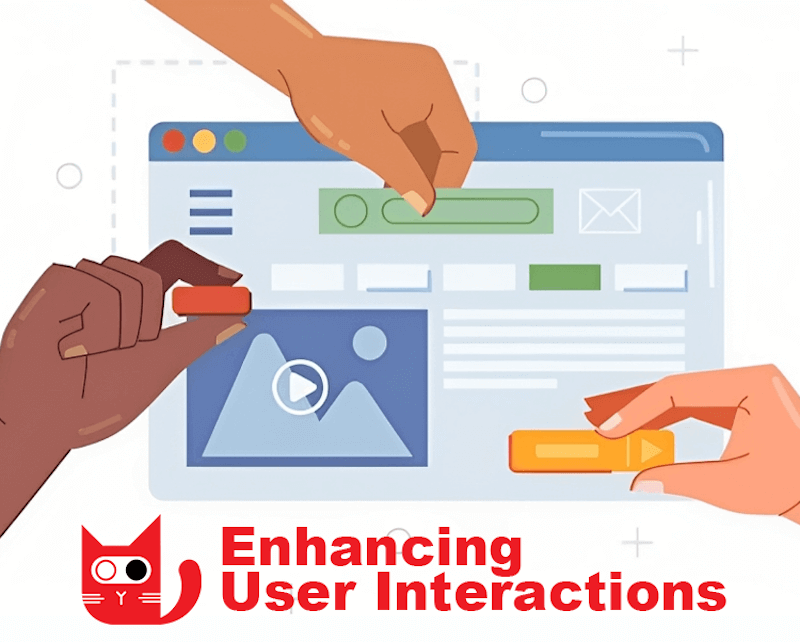
Enhancing User Experience with Feature Flags

· 8 min read
Tochukwu Gabriel Donatus
Learn, Grow, Live.

In today's fast-paced digital landscape, delivering a seamless and adaptive user experience is paramount for any software application. Apart from functionality, users expect a responsive and evolving interface that caters to their ever-changing needs. With feature flags, this becomes a reality. Feature flags are not just technical gadgets but are pivotal in crafting a user-centric software environment. By offering the ability to activate or deactivate features without altering the underlying codebase, they empower developers to enhance the user experience dynamically.

Enhancing user experience with feature flags cover image

Improving User Engagement with Feature Flags

· 9 min read
David Herbert
Turning deep tech into stories developers actually want to read.

It's no secret that a higher user engagement rate translates to increased customer loyalty and, subsequently, a higher ROI. However, keeping users engaged in an increasingly competitive market is akin to striking gold in your software product. The journey towards amplifying user engagement often feels like navigating through a dense, enigmatic forest with no clear path in sight.

Engaging users isn't just about having an aesthetically pleasing interface or a groundbreaking product; it's about continuously optimizing the user experience and adapting to user feedback in real time. So, how do seasoned developers and product managers maneuver through this forest and emerge triumphant? One powerful torchlight in this scenario is the use of feature flags.

illustration of users engaging with features

The Psychology Behind Feature Management - Understanding User Behavior

· 6 min read
David Herbert
Turning deep tech into stories developers actually want to read.

The success of a software product often hinges on how well its features resonate with users. However, the path of innovation is often laden with unpredictability and unforeseen user reactions, making feature management a dance between meeting expectations and introducing novelty. As users continue to raise the bar of expectations, understanding the psychology that drives their interactions with new features becomes a cornerstone for delivering superior user experiences.

The realm of feature management is where this understanding transforms into actionable insights, opening a rich avenue for exploring how users engage with applications. This leads to a more intuitive, user-centric approach to feature delivery by using those experiences to iterate and shape how features are optimized. Here, we explore how understanding the psychology behind feature management can lead to more effective feature rollout strategies.

illustration of new feature released and user reactions